Applied Kinesiology
Applied Kinesiology: a full, systematic approach to lessen pain, increase motion, and balance the body physically and mentally with a focus on function through muscle testing. Longmont-Boulder Sports Chiropractic is lucky to have Dr. Amber Buck on staff, a chiropractor and applied kinesiology specialist. Her gentle touch and attention to the emotional and physical components of the body help patients feel comfortable and relaxed post-session.
Philosophy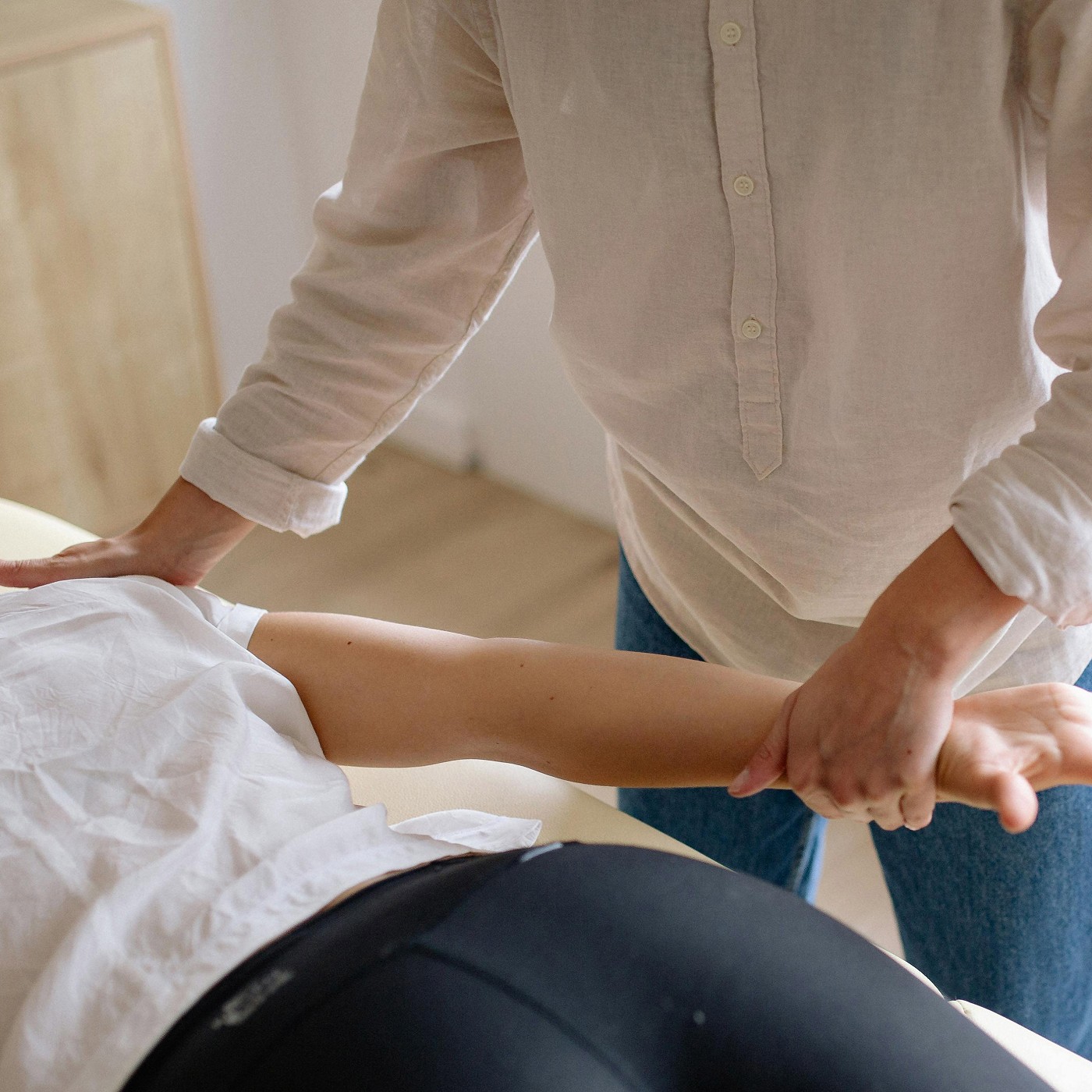
Our Philosophy
We believe that with the right tools, the body can heal itself. This is why we support you and your family’s well-being through one-on-one, focused treatments. Whether you receive applied kinesiology and chiropractic or a longer rehabilitation session, you are the recipient of world-class care!





Common Questions
-
Applied Kinesiology is a diagnostic and assessment system developed in the 1960s by chiropractor Dr. George Goodheart. It combines manual muscle testing with other standard diagnostic methods to evaluate the interplay between structural (muscles, joints, posture), chemical (nutrition, toxins, sensitivities), and mental/emotional factors in health and function.
Practitioners view the body through the “triad of health” and use muscle testing as a functional neurologic tool to identify where imbalances may be contributing to symptoms. It is considered a complementary approach, not a replacement for conventional diagnosis.
-
In AK, the practitioner applies gentle, controlled pressure to a specific muscle (often an arm or leg muscle) while the patient resists. The test evaluates how well the nervous system can adapt and maintain strength under changing conditions.
The practitioner may introduce various stimuli during testing — such as touching certain points on the body, having the patient hold a substance, visualize something, or breathe in a certain way — and observe whether the muscle response changes (becomes stronger or weaker). These changes are interpreted as indicators of functional stress or balance in related systems. Proper technique requires extensive training in anatomy, neurology, and standardized testing protocols.
-
AK practitioners use it to help identify functional imbalances that may contribute to:
- Musculoskeletal pain or dysfunction (back, neck, joints)
- Postural or movement issues
- Nutritional or digestive stresses
- Sensitivities or intolerances (structural/chemical)
- Organ or glandular stress patterns (viscerosomatic relationships)
- Emotional or stress-related factors affecting physical function
It is not intended as a standalone test to diagnose specific diseases (like cancer, infections, or organ failure). It is used as an adjunct to help guide conservative treatment choices and is always combined with standard history, exam, and lab findings when appropriate.
-
Only licensed healthcare professionals who are legally allowed to diagnose and treat patients can practice Applied Kinesiology. This typically includes chiropractors (DCs), osteopathic physicians (DOs), medical doctors (MDs), dentists (DDS/DMD), and sometimes naturopathic doctors or certain other licensed practitioners depending on the jurisdiction.
Basic muscle testing can be learned by many, but full Professional Applied Kinesiology (PAK™) requires hundreds of hours of specialized postgraduate training through ICAK-approved courses, plus passing written and practical exams. Certified practitioners (often designated PAK) must maintain ongoing education. Always ask about a practitioner’s credentials and ICAK affiliation.
-
This is one of the most common and important questions.
Proponents (including the International College of Applied Kinesiology) consider it a valuable clinical tool that expands diagnostic insight when used properly by trained professionals, with many anecdotal reports and some clinical studies supporting its use within chiropractic and complementary care.
Independent scientific reviews, however, have generally found limited high-quality evidence supporting many of AK’s broader diagnostic claims (especially for allergies, organ dysfunction, or nutritional deficiencies via muscle testing). Some studies show poor reproducibility between practitioners, and major medical organizations often classify it as having insufficient evidence for many of its applications beyond basic orthopedic muscle testing. It is considered a complementary/alternative approach rather than mainstream diagnostic medicine.
Bottom line: Results can be subjective and practitioner-dependent. Many patients find it helpful as part of an integrative care plan, but it should not replace standard medical evaluation or evidence-based treatments.
Important disclaimer: Applied Kinesiology is a specialized technique used by certain licensed practitioners. These answers are for informational purposes based on information from the International College of Applied Kinesiology (ICAK) and available research. Individual results vary. Always consult a qualified healthcare provider for any health concerns, and discuss whether AK is appropriate for your situation.
Mission & Vision
We live and breathe health. In our daily lives and at the clinic, we strive to embody the balanced principles we share with valued practice members. Our vision is to offer extraordinary care and to empower patients to take their health into their own hands.
At Lo-Bo Sports Chiropractic, we believe that the body can and will heal itself if given the chance and proper tools.
Meet The Team
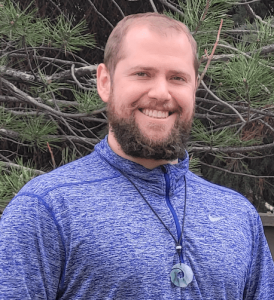
Dr. Ben Buck is originally from Washington and studied chiropractic at Palmer College of Chiropractic. He specializes in sports rehabilitation and chiropractic.
My Bio
Dr. Amber Buck specializes in applied kinesiology (AK) and chiropractic. She lives in Colorado with her husband, Dr. Ben Buck, and cat Lilli.
My Bio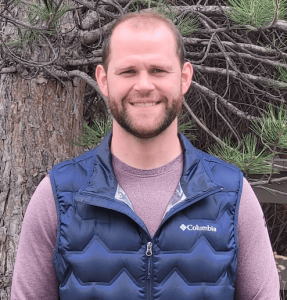
Dr. Kyle Buck specializes in sports rehabilitation and chiropractic. He is the “extremity guy” and currently works with Olympic-level qualifying athletes in Boulder, CO.
My BioLongmont
Address:
600 S Airport Rd Bldg CC
Longmont, CO 80503
(P): (303) 776-6767
Hours
Mon: 10 am – 5 pm
Tue: 11 am – 6 pm
Wed: 11 am – 6 pm
Thu: 11 am – 6 pm
Fri: 9 am – 2 pm
Click the map for Directions
Click the map for Directions
Boulder
Address:
1756 38th St, Boulder, CO
Boulder, CO 80301
(P): 303-720-6028
Hours
Mon: 10 am – 5 pm
Tue: 8:30 am – 6 pm
Wed: Closed
Thu: 11 am – 6 pm
Fri: Closed
Click the map for Directions